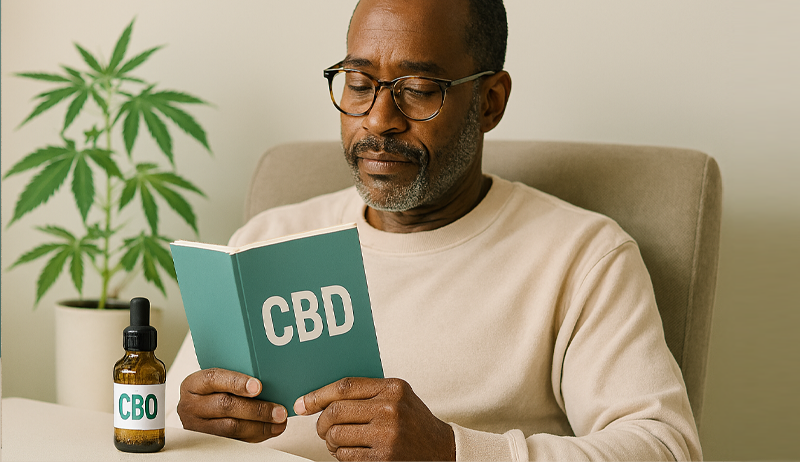
Learn if CBD tolerance is real, how your body adapts to cannabinoids, and how a CBD reset works in long-term use. Explore scientific insights here.
CBD and Anxiety Research
What Does Research Say About CBD for Anxiety?
Interest in CBD for anxiety has grown as more people seek alternative approaches to mental health. Cannabidiol (CBD), a non-intoxicating compound found in hemp, is widely discussed for its potential calming effects. Here, we review current research, benefits, limitations, dosage considerations, and safety warnings regarding CBD for anxiety.
Potential Benefits
Early studies and preliminary clinical trials suggest that CBD may help reduce symptoms of anxiety in some individuals. Research published in journals such as Neurotherapeutics and The Permanente Journal indicates that CBD may influence serotonin receptors, which play a role in mood regulation. Users commonly report a sense of calm and relaxation, possibly aiding in stress management and sleep quality.
Limitations of Current Evidence
Despite promising findings, research on CBD is still developing. Most studies use small sample sizes, and there is limited long-term data. Effects can also vary based on individual biology, the type of anxiety, and product formulation. CBD is not a cure or a replacement for professional mental health care.
Dosing Considerations
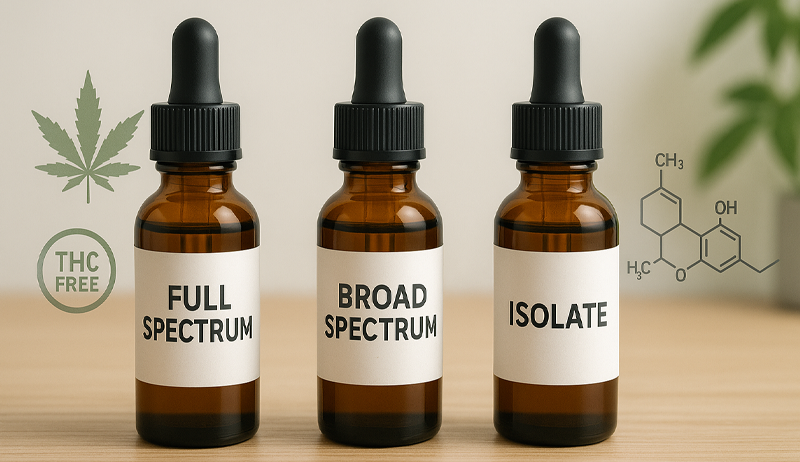
There is no universal CBD dosage for anxiety. Studies use a wide range of dosages, from 25 mg to 600 mg per day. Experts recommend starting with a low dose and gradually increasing while monitoring effects. Always choose products with lab-tested results to confirm cannabinoid content and purity.
Safety Warnings
CBD is generally considered safe, but potential side effects include drowsiness, gastrointestinal discomfort, and interactions with some medications. Consult your healthcare provider before starting CBD, especially if you take prescription drugs or have underlying health conditions.
Learn More
For expanded cannabinoid education, visit WS-420.com.

Get Comment!