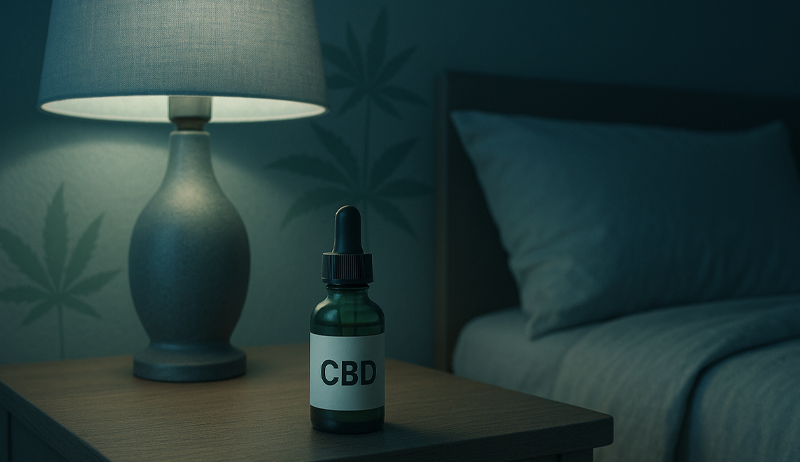
Learn if CBD tolerance is real, how your body adapts to cannabinoids, and how a CBD reset works in long-term use. Explore scientific insights here.
CBD for Better Sleep
Understanding CBD and Sleep
CBD (cannabidiol) is a non-intoxicating cannabinoid found in hemp and cannabis. Many people turn to CBD for sleep, seeking natural options for rest and relaxation. Scientific interest in CBD's effects on sleep is growing, with early studies suggesting it may influence the body's endocannabinoid system, which helps regulate sleep cycles.
Scientific Theories: How CBD May Aid Sleep
- Endocannabinoid System Support: The endocannabinoid system (ECS) helps balance mood, stress, and sleep. CBD's interaction with ECS receptors may promote calmness and relaxation.
- Anxiety and Stress Reduction: Some research indicates CBD may help manage occasional anxiety, which is a common cause of sleep disturbances. By promoting a sense of calm, CBD may support falling and staying asleep.
- Regulation of Sleep-Wake Cycles: CBD may influence circadian rhythms. Some individuals report it helps them feel more refreshed upon waking.
Dosing Considerations
CBD dosing for sleep is highly individual. Common starting doses range from 10-25 mg, taken 30-60 minutes before bedtime. It is best to start with a low dose and gradually adjust as needed. Factors such as body weight, metabolism, and sensitivity all play a role. Always consult a knowledgeable professional if unsure.
Common Use Cases
- Insomnia: Many people use CBD for insomnia help, reporting improvements in the ability to fall and stay asleep.
- Restless Nights: Occasional sleeplessness due to stress or travel may be eased with CBD products.
- Supplementing Sleep Hygiene: Alongside good sleep habits, CBD may be a helpful addition for those seeking natural support.
Forms of CBD for Sleep
CBD is available in many forms, including gummies, tinctures, capsules, and vape cartridges. Gummies and tinctures are popular for nighttime use because dosing is straightforward and effects are long-lasting.
Safety and Precautions
Research on CBD is ongoing, and while it is generally well-tolerated, some may experience mild side effects like drowsiness or digestive changes. Look for products that are lab-tested for purity and potency.
Learn More
For additional information on cannabinoids and sleep, visit WS-420.com, a trusted cannabinoid resource.
Summary
CBD for sleep is a promising area of research. While not a cure-all, many users find it helpful for managing occasional sleeplessness and promoting restful nights. For more insights and the latest on cannabinoids, keep exploring We Smoke CBD.



Get Comment!